Paws, Whiskers, and Tail: How Neuroscience Explains the Love for Pets and Why They Heal Us
ElenaVro•09/21/2025•4 min read•Updated 4 months ago
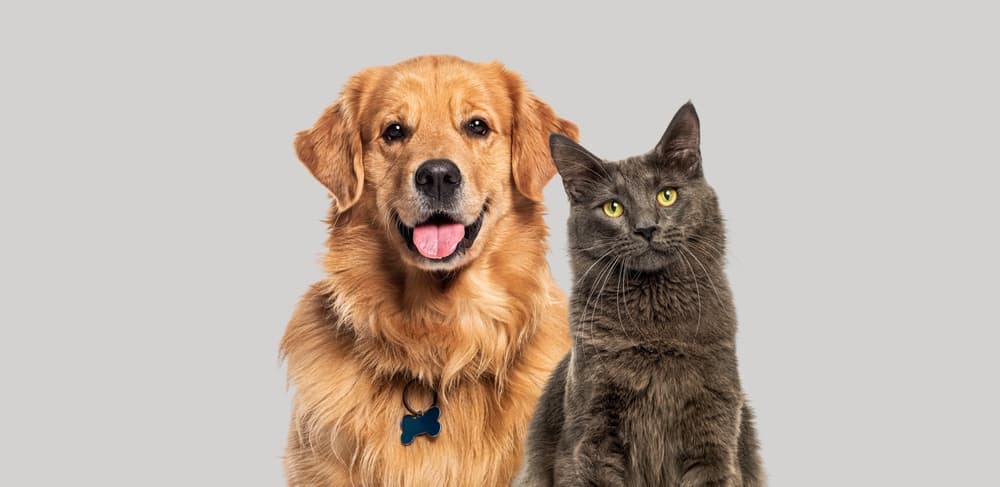
Love for a pet is not just a sentiment. It is a deep, evolutionarily justified, and biochemically confirmed bond. We give them shelter, food, and care. And they give us something much more valuable—health, peace of mind, a reason for daily joy, and unconditional love.
Have you noticed how instantly your mood improves when a purring ball of happiness jumps onto your lap? Or how you forget the stress of the workday when you are greeted at the door by a dog enthusiastically wagging its tail? These are not just cute moments—they are a complex biochemical dance taking place between you and your pet. Today, we will delve into the depths of this amazing symbiosis from a scientific perspective and learn why pets are not just 'little animals,' but full-fledged therapists and family members.
Hormonal Orchestra: What's Really Happening in the Brain
Interaction with a pet triggers a cascade of chemical reactions in our body that give us a feeling of happiness, peace, and security.
Oxytocin, the "love and bonding hormone":It is precisely this that stands out in the mother when looking at the child. In the same way, our brain produces oxytocin when we pet a dog, look into the devoted eyes of a cat, or even watch fish swimming. This hormone strengthens the emotional bond, reduces anxiety, and causes a feeling of deep trust.
Dopamine, the 'hormone of anticipation and reward':What does a dog feel when you take the leash? Joyful excitement! And what do you feel? The exact same excitement and anticipation. Dopamine production makes the process of interacting with a pet pleasant and motivating for both sides.
Cortisol reduction, the 'stress hormone':Numerous studies confirm that just 15-20 minutes of petting a dog or cat significantly reduces blood cortisol levels. It is literally a natural tranquilizer with no side effects.
Four-legged therapists: non-verbal communication as medicine
Pets cannot speak human language, but that is their main strength. They communicate through body language, tactile sensations, and pure emotions, which our brain reads at an instinctive level.
Unconditional acceptance:A dog won't judge you for a bad day at work. A cat won't lecture you about a wrong choice. They love us just for who we are. This provides a powerful sense of psychological safety that is often lacking in a world of social judgment and demands.
Tactile therapy:The warmth of the animal, its calm breathing, and rhythmic purring are powerful sensory signals that help the nervous system calm down and switch to rest mode. This is especially important for people with high anxiety or post-traumatic stress disorder.
A sense of belonging and routine:A pet depends on us. It needs to be fed, walked, and treated. This responsibility and the strict daily routine associated with caring for another creature are a powerful support for people struggling with depression or loneliness. They give meaning and structure to every day.
Microbiome and immunity: the invisible connection
Modern research makes amazing discoveries: the presence of pets, especially in early childhood, has a positive effect on the formation of a child's immune system.
Microbiome diversity:Dogs and cats bring many microorganisms from the street. This familiarizes the child's immune system with a wide range of bacteria and helps it learn to react adequately to threats, reducing the risk of developing allergies and asthma in the future.
Hygiene hypothesis:An overly sterile environment is harmful to the development of immunity. Pets naturally
From Heart to Heart: The Cardiologic Effect
Dog owners are physically healthier — and that's a scientific fact.
Regular walks:Daily walks are guaranteed physical activity that strengthens the cardiovascular system, helps maintain weight, and reduces the risk of developing hypertension.
General health improvement:American Heart Association studies have confirmed that pet owners, on average, have lower blood pressure, lower cholesterol levels, and suffer less frequently from the effects of stress.
Conclusion: Mutually beneficial alliance
Love for a pet is not just a sentiment. It is a deep, evolutionarily justified, and biochemically confirmed bond. We give them shelter, food, and care. And they give us something much more valuable—health, peace of mind, a reason for daily joy, and unconditional love that activates the best and brightest chemical processes in our brains.
So the next time your pet curls up in your lap, know this: real magic is happening at that moment—the magic of mutual healing.
Frequently Asked Questions
Where can I find more articles?
Discover more content on fastmdm.com.
Can I leave comments?
Reader engagement options may be available on this page.
Who wrote this article?
This article was created by our expert contributors.
Can I share this article?
Yes, use the share buttons to share on social media.
How can I stay updated?
Subscribe to our newsletter for the latest articles.
When was this published?
Publication and update dates are shown at the top of the article.
Is this information accurate?
We strive for accuracy and update content regularly.
Have more questions? Visit fastmdm.com for additional information.